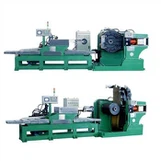
The working temperature range of a measuring machine is a critical factor that significantly impacts its performance, accuracy, and longevity. As a leading supplier of measuring machines, we understand the importance of this parameter and are committed to providing our customers with in - depth knowledge about it.
Understanding the Basics of Measuring Machine Temperature Range
Measuring machines are precision instruments used in various industries such as manufacturing, aerospace, and automotive to ensure the quality and accuracy of products. These machines rely on highly sensitive components, including sensors, motors, and optical elements. Each of these components has its own optimal temperature range within which it can function most effectively.
The working temperature range of a measuring machine is typically defined by the manufacturer based on extensive testing and research. It represents the minimum and maximum temperatures at which the machine can operate while maintaining its specified level of accuracy and performance. For example, a common working temperature range for many measuring machines might be between 18°C and 22°C (64.4°F and 71.6°F). This relatively narrow range is designed to minimize thermal expansion and contraction of the machine's components, which can lead to measurement errors.
Factors Affecting the Working Temperature Range
Several factors influence the working temperature range of a measuring machine. One of the primary factors is the material used in the construction of the machine. Different materials have different coefficients of thermal expansion. For instance, metals such as steel and aluminum expand and contract at different rates when exposed to temperature changes. If a measuring machine is made of materials with high coefficients of thermal expansion, it will be more sensitive to temperature variations, and its working temperature range may need to be more tightly controlled.
The design of the measuring machine also plays a crucial role. Machines with complex internal structures or those that generate a significant amount of heat during operation, such as those with high - power motors or lighting systems, may have a more restricted working temperature range. This is because the internal heat generated can cause local temperature variations within the machine, affecting the accuracy of the measurements.
Environmental conditions are another important factor. Measuring machines are often used in industrial settings where the ambient temperature can vary widely. If the machine is exposed to extreme temperatures, either hot or cold, it can lead to premature wear and tear of the components, reduced accuracy, and even complete malfunction. For example, in a foundry where the temperature can reach very high levels, a measuring machine needs to be specifically designed to withstand such harsh conditions.


Consequences of Operating Outside the Working Temperature Range
Operating a measuring machine outside its specified working temperature range can have several negative consequences. Firstly, it can lead to significant measurement errors. As mentioned earlier, thermal expansion and contraction of the machine's components can cause changes in the dimensions of the measuring elements, resulting in inaccurate readings. This can be particularly problematic in industries where high precision is required, such as in the production of aerospace components or medical devices.
Secondly, operating outside the temperature range can reduce the lifespan of the measuring machine. Excessive heat can cause the lubricants in the machine to break down, leading to increased friction and wear of the moving parts. Cold temperatures, on the other hand, can make the materials more brittle, increasing the risk of cracking or other forms of damage.
In addition, operating outside the working temperature range may void the manufacturer's warranty. Most manufacturers clearly state in their product documentation that the machine should be operated within the specified temperature range to ensure proper performance and reliability. If a customer operates the machine outside this range and experiences problems, the manufacturer may not be responsible for repairs or replacements.
Controlling the Temperature for Optimal Performance
To ensure that a measuring machine operates within its working temperature range, several temperature - control strategies can be employed. One of the most common methods is to use environmental control systems, such as air - conditioning or heating units, in the room where the measuring machine is located. These systems can maintain a stable ambient temperature, reducing the impact of external temperature variations on the machine.
Some measuring machines are also equipped with internal temperature - compensation systems. These systems use sensors to monitor the temperature of the machine's components and adjust the measurement readings accordingly. For example, if the temperature of a particular component increases, the system can calculate the expected expansion of the component and correct the measurement to account for this change.
Regular maintenance and calibration are also essential for ensuring that the measuring machine operates accurately within its working temperature range. During maintenance, the machine's components can be inspected for signs of wear or damage caused by temperature variations, and any necessary adjustments or replacements can be made. Calibration ensures that the machine is providing accurate measurements at the current operating temperature.
Our Measuring Machines and Temperature Range
As a supplier of measuring machines, we take great pride in offering products with well - defined and reliable working temperature ranges. Our engineering team conducts extensive testing to determine the optimal temperature range for each of our measuring machines. We use high - quality materials with low coefficients of thermal expansion in the construction of our machines to minimize the impact of temperature changes on measurement accuracy.
In addition, our measuring machines are designed with advanced temperature - control features. Some of our models are equipped with built - in cooling systems to dissipate the heat generated during operation, ensuring that the internal temperature of the machine remains within the specified range. We also provide detailed user manuals that include guidelines on how to maintain the appropriate temperature conditions for the machine.
Related Products and Their Temperature Considerations
In addition to our measuring machines, we also offer a range of related products such as the Rotocure Machine, Fabric Dipping Machine, and Expandable Drum. These products also have specific temperature requirements for optimal performance.
The Rotocure Machine, for example, is used in the manufacturing of V - belts. The curing process in this machine is highly temperature - sensitive. If the temperature is too low, the rubber may not cure properly, resulting in a weak and unreliable product. On the other hand, if the temperature is too high, the rubber may over - cure, leading to brittleness and reduced flexibility. Therefore, it is essential to maintain the temperature within the specified range during the operation of the Rotocure Machine.
The Fabric Dipping Machine is used to coat fabrics with various substances. Temperature control is crucial in this process as well. The viscosity of the coating material can be affected by temperature, and improper temperature can lead to uneven coating or poor adhesion of the coating to the fabric.
The Expandable Drum is often used in the production of belts and other rubber products. It needs to operate within a specific temperature range to ensure that the expansion and contraction of the drum are consistent and accurate, which is essential for the quality of the final product.
Contact Us for Your Measuring Machine Needs
If you are in the market for a high - quality measuring machine or any of our related products, we invite you to contact us for a detailed discussion. Our team of experts is ready to assist you in selecting the right machine for your specific application and to provide you with all the information you need regarding the working temperature range and other technical specifications. We understand the importance of accurate measurements in your industry, and we are committed to helping you achieve the best results. Whether you are a small - scale manufacturer or a large - scale industrial enterprise, we have the products and solutions to meet your needs.
References
- ISO 10360 - 1: Geometrical product specifications (GPS) — Acceptance and reverification tests for coordinate measuring machines (CMM) — Part 1: CMMs used for dimensional measurements
- ASME B89.1.12 - 2006: Specification for Performance Evaluation of Coordinate Measuring Machines (CMMs)