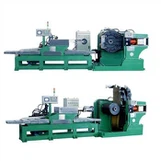
In the modern industrial landscape, the integration of autoclaves into automated systems has emerged as a game - changer, offering numerous benefits across various sectors. As a leading autoclaves supplier, I have witnessed firsthand how this combination can revolutionize production processes and enhance overall efficiency. In this blog, I will delve into the advantages of integrating autoclaves into an automated system.


1. Enhanced Efficiency and Productivity
Automation is all about streamlining processes, and when it comes to autoclaves, integrating them into an automated system can significantly boost efficiency. In a traditional setting, operating an autoclave often requires manual monitoring and control at different stages such as heating, pressurizing, holding, and cooling. This not only consumes a significant amount of human resources but also increases the risk of human error.
For example, in a manufacturing facility that uses autoclaves for curing composite materials, an automated system can precisely control the temperature and pressure profiles throughout the curing process. The system can start the autoclave at the exact time, adjust the settings according to the pre - programmed recipe, and stop the process once the required conditions are met. This reduces cycle times considerably compared to manual operation, allowing for more batches to be processed in a given time frame. In fact, research has shown that automated autoclave systems can increase production output by up to 30% in some industries.
2. Consistent Quality
Quality control is of utmost importance in industries that rely on autoclaves, such as the medical and aerospace sectors. Manual operation of autoclaves can lead to inconsistencies in the sterilization or curing process, which may result in sub - standard products.
When autoclaves are integrated into an automated system, they can follow a set of pre - defined parameters with high precision. For instance, in a medical autoclave used for sterilizing surgical instruments, the automated system ensures that the temperature, pressure, and exposure time are maintained within the strict limits required for effective sterilization. Every batch of instruments processed will undergo the same rigorous treatment, eliminating the variability that can occur with manual operation. This consistency in quality is crucial for ensuring the safety and reliability of products, which in turn enhances the reputation of the manufacturing company.
3. Improved Safety
Safety is a top priority in any industrial environment, especially when dealing with high - pressure and high - temperature equipment like autoclaves. Manual operation of autoclaves exposes operators to potential risks such as burns, explosions, and exposure to harmful chemicals.
An automated autoclave system is equipped with multiple safety features. For example, it can detect abnormal pressure or temperature changes and automatically shut down the autoclave to prevent accidents. The system can also provide real - time monitoring of the autoclave's status, allowing operators to take appropriate action if any issues arise. Additionally, automated autoclaves can be operated remotely, reducing the need for operators to be in close proximity to the high - risk equipment during operation. This not only protects the operators' well - being but also reduces the liability for the company.
4. Data Recording and Traceability
In today's regulatory environment, traceability is essential for industries that use autoclaves. Automated autoclave systems can record and store detailed data about each cycle, including temperature, pressure, time, and any alarms or deviations. This data can be easily accessed and analyzed for quality control purposes, regulatory compliance, and process improvement.
For example, in the food industry, where autoclaves are used for sterilizing canned goods, having accurate data about each sterilization cycle is crucial for meeting food safety regulations. The data can be used to prove that the products have been processed under the correct conditions and can be traced back in case of any quality issues. Moreover, this data can also be used to identify trends and patterns in the autoclave's performance, which can help in optimizing the process over time.
5. Cost - Effectiveness in the Long Run
While the initial investment in an automated autoclave system may be higher compared to a manual one, the long - term cost savings are significant. As mentioned earlier, the increased efficiency and productivity lead to higher output without a proportional increase in labor costs. Moreover, the consistent quality reduces the number of defective products, which means less waste and rework.
In addition, automated autoclave systems are generally more energy - efficient. They can optimize the heating and cooling cycles based on the actual requirements, reducing energy consumption. The improved safety also means fewer accidents and associated costs such as medical expenses and equipment damage repairs. Over time, these savings can add up and provide a substantial return on investment.
Integration with Complementary Automated Equipment
Autoclaves often work in conjunction with other machines in a production line. When integrated into an automated system, autoclaves can communicate seamlessly with other equipment such as Fabric Dipping Machine and Stabilizing Cooling Machine.
For example, if a fabrication process involves dipping fabrics in a solution before curing them in an autoclave, the automated system can synchronize the operations of the Fabric Dipping Machine and the autoclave. Once the fabrics are dipped, they can be automatically transferred to the autoclave, and the curing process can start immediately. This uninterrupted flow of production not only saves time but also ensures that the quality of the final product is consistent.
Conclusion
Integrating autoclaves into an automated system offers a wide range of advantages, including enhanced efficiency, consistent quality, improved safety, data recording, and long - term cost - effectiveness. As a supplier of autoclaves, I am committed to providing our customers with state - of - the - art autoclave systems that can be easily integrated into their existing automated setups. If you are considering upgrading your autoclave operations or are in the market for a new autoclave system, I encourage you to contact us. We can work with you to understand your specific requirements and provide a customized solution that will help you achieve your production goals.
References
- White, J. (2018). "The Impact of Automation on Industrial Autoclave Operations". Journal of Industrial Manufacturing and Automation, 12(3), 45 - 56.
- Johnson, M. and Smith, A. (2019). "Quality Control in Autoclave - Based Manufacturing Processes". International Journal of Quality Assurance, 20(2), 78 - 90.
- Brown, S. (2020). "Safety Features in Automated Autoclave Systems". Safety Science Review, 8(1), 23 - 32.