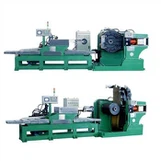
As a supplier of Expandable Drums, I often encounter inquiries regarding the weight of these essential components. The weight of an Expandable Drum is a crucial factor that can impact various aspects of its use, from installation and transportation to its performance within a system. In this blog post, I will delve into the factors that influence the weight of an Expandable Drum, provide some general weight ranges, and discuss the implications of weight in different applications.
Factors Influencing the Weight of an Expandable Drum
The weight of an Expandable Drum is determined by several key factors, each of which plays a significant role in the overall mass of the component. Understanding these factors can help customers make informed decisions when selecting an Expandable Drum for their specific needs.
Material Composition
The materials used in the construction of an Expandable Drum have a substantial impact on its weight. Expandable Drums are typically made from a variety of materials, including steel, aluminum, and composite materials. Steel is a common choice due to its high strength and durability, but it is also relatively heavy. Aluminum, on the other hand, is lighter than steel but may not offer the same level of strength. Composite materials, such as fiberglass or carbon fiber, can provide a good balance of strength and weight, but they are often more expensive.
Size and Dimensions
The size and dimensions of an Expandable Drum also affect its weight. Larger drums generally weigh more than smaller ones, as they require more material for construction. Additionally, the diameter and length of the drum can influence its weight, as a larger diameter or longer length will typically result in a heavier drum.
Design and Configuration
The design and configuration of an Expandable Drum can also impact its weight. For example, a drum with a more complex design or additional features, such as a built-in locking mechanism or a specialized coating, may weigh more than a simpler design. Additionally, the type of expansion mechanism used in the drum can affect its weight, as some mechanisms may be heavier than others.
General Weight Ranges
The weight of an Expandable Drum can vary widely depending on the factors discussed above. However, I can provide some general weight ranges to give you an idea of what to expect.
Small Expandable Drums
Small Expandable Drums, with a diameter of less than 10 inches and a length of less than 20 inches, typically weigh between 10 and 50 pounds. These drums are often used in applications where space is limited or where a lightweight drum is required.
Medium Expandable Drums
Medium Expandable Drums, with a diameter of between 10 and 20 inches and a length of between 20 and 40 inches, typically weigh between 50 and 200 pounds. These drums are commonly used in a variety of industrial applications, such as conveyor systems and packaging equipment.
Large Expandable Drums
Large Expandable Drums, with a diameter of more than 20 inches and a length of more than 40 inches, can weigh anywhere from 200 to 1,000 pounds or more. These drums are often used in heavy-duty applications, such as mining and construction.
Implications of Weight in Different Applications
The weight of an Expandable Drum can have several implications in different applications. Understanding these implications can help you select the right drum for your specific needs.
Installation and Transportation
The weight of an Expandable Drum can make a significant difference in the ease of installation and transportation. Heavier drums may require specialized equipment or additional manpower to install, which can increase the cost and time required for installation. Additionally, the weight of the drum can affect its transportation, as heavier drums may require a larger vehicle or more careful handling to ensure safe transport.
Performance and Efficiency
The weight of an Expandable Drum can also impact its performance and efficiency. In some applications, a heavier drum may provide better stability and support, which can improve the overall performance of the system. However, in other applications, a lighter drum may be preferred, as it can reduce the energy required to operate the system and improve its efficiency.


Safety
The weight of an Expandable Drum can also have safety implications. Heavier drums may pose a greater risk of injury if they are not handled properly, as they can be more difficult to lift and move. Additionally, the weight of the drum can affect its stability, which can increase the risk of tipping or falling if the drum is not properly secured.
Conclusion
In conclusion, the weight of an Expandable Drum is a crucial factor that can impact various aspects of its use, from installation and transportation to its performance and safety. As a supplier of Expandable Drums, I understand the importance of providing customers with accurate information about the weight of our products. By considering the factors discussed in this blog post, you can make an informed decision when selecting an Expandable Drum for your specific needs.
If you have any questions or would like to discuss your Expandable Drum requirements in more detail, please do not hesitate to contact me. I am always happy to help and look forward to working with you.
References
- Manufacturer's specifications for Expandable Drums
- Industry standards and guidelines for the design and use of Expandable Drums
- Technical literature and research on the properties and performance of materials used in Expandable Drums