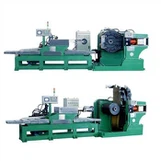
As a provider of V-belt Vulcanizers, I understand the critical issue of over-heating in these machines. Over-heating not only shortens the lifespan of the equipment but also significantly impacts the quality of the vulcanization process, leading to sub - standard V - belts. In this blog, I'll share some effective strategies to prevent over - heating in a V - belt Vulcanizer.
Understanding the Causes of Over - heating
Before we delve into prevention methods, it's essential to understand what causes over - heating in a V - belt Vulcanizer. One of the primary reasons is excessive electrical resistance. When the electrical components in the vulcanizer, such as heating elements and wiring, experience high resistance, more energy is converted into heat. This can be due to poor connections, damaged wires, or worn - out heating elements.
Another common cause is improper ventilation. V - belt Vulcanizers generate a substantial amount of heat during operation. If the machine is not properly ventilated, the heat cannot dissipate effectively, causing the temperature inside the vulcanizer to rise rapidly.
Overloading the machine is also a culprit. When a V - belt Vulcanizer is used beyond its rated capacity, it has to work harder, which in turn generates more heat. This can lead to over - heating and potential damage to the machine.


Regular Maintenance
Regular maintenance is the cornerstone of preventing over - heating in a V - belt Vulcanizer. First and foremost, inspect the electrical components regularly. Check for any signs of wear and tear on the wiring, such as fraying or exposed wires. Tighten all electrical connections to ensure good conductivity and reduce resistance. Replace any damaged or worn - out heating elements promptly. A malfunctioning heating element can not only cause over - heating but also affect the quality of the vulcanization process.
Cleaning the ventilation system is equally important. Over time, dust and debris can accumulate in the ventilation ducts and fans, obstructing the flow of air. Use a soft brush or compressed air to clean the ventilation openings and fans. Make sure that the ventilation system is unobstructed and functioning properly. This will help to dissipate heat effectively and keep the temperature inside the vulcanizer under control.
Lubrication is another aspect of maintenance that should not be overlooked. Moving parts in the V - belt Vulcanizer, such as motors and gears, require proper lubrication to reduce friction. Friction generates heat, so by ensuring that all moving parts are well - lubricated, you can minimize the amount of heat produced during operation.
Proper Installation
The way a V - belt Vulcanizer is installed can have a significant impact on its temperature regulation. When installing the machine, make sure it is placed in a well - ventilated area. Avoid installing it in a confined space or near heat - generating equipment. The ventilation around the machine should be unrestricted to allow for proper air circulation.
Proper grounding is also crucial. A well - grounded V - belt Vulcanizer can prevent electrical issues that may lead to over - heating. Follow the manufacturer's instructions carefully when grounding the machine to ensure safety and optimal performance.
Monitoring and Control
Implementing a monitoring system is an effective way to prevent over - heating. Use temperature sensors to continuously monitor the temperature inside the V - belt Vulcanizer. Set up an alarm system that will alert you when the temperature exceeds a safe level. This allows you to take immediate action, such as adjusting the settings or shutting down the machine, to prevent damage.
Modern V - belt Vulcanizers often come with built - in control systems. These systems allow you to set and adjust the operating parameters, such as temperature and time, precisely. Make sure to use these controls effectively and follow the recommended settings for the specific type of V - belts you are vulcanizing. Avoid setting the temperature too high or running the machine for longer than necessary, as this can lead to over - heating.
Operator Training
Well - trained operators are essential for preventing over - heating in a V - belt Vulcanizer. Provide comprehensive training to your operators on the proper use and maintenance of the machine. They should understand the importance of following the operating procedures, including loading the machine within its rated capacity, setting the correct temperature and time, and performing regular checks.
Operators should also be trained to recognize the signs of over - heating, such as unusual noises, a burning smell, or a sudden increase in temperature. In case of any abnormalities, they should know how to respond quickly and safely.
Complementary Equipment
Using complementary equipment can also help prevent over - heating in a V - belt Vulcanizer. For example, a Rotocure Machine can assist in the vulcanization process, reducing the workload on the V - belt Vulcanizer. This can prevent the machine from over - working and generating excessive heat.
A Length Measure Machine can ensure that the V - belts are of the correct length before vulcanization. This helps to optimize the vulcanization process and reduces the chances of over - heating caused by improper belt dimensions.
Conclusion
Preventing over - heating in a V - belt Vulcanizer requires a comprehensive approach that includes regular maintenance, proper installation, monitoring and control, operator training, and the use of complementary equipment. By implementing these strategies, you can ensure the longevity and optimal performance of your V - belt Vulcanizer.
If you are in the market for a high - quality V - belt Vulcanizer, or if you have any questions about preventing over - heating in your existing machine, we are here to help. Our team of experts can provide you with professional advice and support. Contact us today to start a discussion about your specific needs and requirements.
References
- [Manufacturer's Manual for V - belt Vulcanizers]
- [Industry Standards for V - belt Vulcanization]
- [Research Papers on Electrical Equipment Over - heating Prevention]