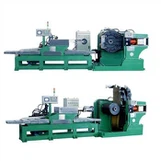
Optimizing the curing process in a mold is crucial for achieving better product quality. As a leading Curing Mold supplier, I've witnessed firsthand how a well - optimized curing process can transform the final product. In this blog, I'll share some key strategies and insights on how to enhance the curing process in a mold.
Understanding the Basics of the Curing Process
Before diving into optimization, it's essential to understand what the curing process entails. Curing is a chemical reaction that typically involves heat, pressure, and time. In the context of a mold, it's the process where the raw material, often a polymer or rubber compound, is transformed into a solid, stable product. The right balance of these factors is vital. If the temperature is too high, the material may degrade; if it's too low, the curing may be incomplete. Similarly, incorrect pressure can lead to issues like voids or uneven density in the final product.
Temperature Control
One of the most critical aspects of the curing process is temperature control. Maintaining a consistent temperature throughout the mold is essential. A common method is to use heating elements within the mold itself. These can be electric heaters or fluid - based heating systems. However, it's not just about setting a temperature; it's about ensuring that the temperature is evenly distributed.
Thermal sensors can be strategically placed inside the mold to monitor the temperature at different points. This data can then be used to adjust the heating system. For example, if one area of the mold is running cooler than the rest, the heating can be increased in that specific region.
Another factor to consider is the heating rate. A rapid increase in temperature can cause the outer layers of the material to cure faster than the inner layers, leading to internal stresses and potential defects. A more gradual heating rate allows for a more uniform curing process.
Pressure Management
Pressure plays a significant role in the curing process. It helps to compact the material, eliminating air bubbles and ensuring a dense, high - quality product. The appropriate pressure depends on the type of material being cured and the design of the product.
Hydraulic or pneumatic systems are commonly used to apply pressure to the mold. It's important to note that the pressure should be applied evenly across the mold. Uneven pressure can result in parts of the product being under - or over - compressed.
In some cases, using a Autoclave Jacket can be beneficial. An autoclave jacket provides a controlled environment where both temperature and pressure can be precisely regulated. This can be especially useful for complex or high - precision products.
Time Optimization
The curing time is another variable that needs to be carefully considered. It's not just about leaving the material in the mold for a set period; it depends on the temperature, pressure, and the material's properties.
Some materials have a specific curing curve, which shows the relationship between time, temperature, and the degree of curing. By referring to this curve, you can determine the optimal curing time for a given set of conditions.
However, it's also important to be flexible. If the temperature or pressure changes during the curing process, the curing time may need to be adjusted accordingly. For example, if the temperature is slightly lower than planned, the curing time may need to be extended to ensure complete curing.
Mold Design and Maintenance
The design of the mold itself can have a significant impact on the curing process. A well - designed mold should allow for easy flow of the material and efficient heat transfer. For example, the use of V Groove Die can help in guiding the material during the injection process and ensuring a more uniform distribution.
Proper ventilation channels in the mold are also essential. These channels allow air and any volatile by - products to escape during the curing process, preventing the formation of bubbles or other defects.
Regular maintenance of the mold is crucial. Over time, the mold can accumulate dirt, debris, and residue from the material. This can affect the heat transfer and the surface finish of the product. Cleaning and lubricating the mold at regular intervals can help to maintain its performance.
Material Selection
The choice of material for the product also affects the curing process. Different materials have different curing requirements. For example, some polymers may require a higher temperature and longer curing time compared to others.


When working with a new material, it's important to conduct thorough testing to determine the optimal curing conditions. This may involve running small - scale trials with different temperature, pressure, and time settings.
In some cases, using a Cog Mold can be tailored to specific materials. The design of the cog mold can be adjusted to accommodate the flow and curing characteristics of different materials.
Quality Control and Monitoring
Throughout the curing process, it's essential to have a robust quality control system in place. This can involve visual inspections, dimensional measurements, and material property tests.
Non - destructive testing methods, such as ultrasonic testing or X - ray inspection, can be used to detect internal defects without damaging the product. These tests can be performed at different stages of the curing process to catch any issues early.
Real - time monitoring of the curing process parameters, such as temperature, pressure, and time, can also provide valuable data. This data can be analyzed to identify trends and make adjustments to the process for future production runs.
Continuous Improvement
Optimizing the curing process is not a one - time task. It requires continuous improvement. By collecting data from each production run, analyzing the results, and making small adjustments to the process, you can gradually enhance the product quality.
Engaging with customers and getting feedback on the product can also provide insights into areas that need improvement. For example, if customers are reporting issues with the durability of the product, it may be an indication that the curing process needs to be re - evaluated.
Conclusion
In conclusion, optimizing the curing process in a mold is a multi - faceted task that involves careful control of temperature, pressure, time, mold design, material selection, and quality control. By implementing these strategies, you can achieve better product quality, reduce waste, and increase customer satisfaction.
As a Curing Mold supplier, I'm committed to helping my clients optimize their curing processes. If you're looking to improve the quality of your products through better mold curing, I'd love to have a discussion with you. Whether you're facing specific challenges or just looking for general advice, I'm here to assist. Contact me to start a conversation about how we can work together to enhance your curing process and take your product quality to the next level.
References
- "Molding and Curing of Polymers" - A comprehensive textbook on polymer processing.
- Industry whitepapers on mold optimization and quality control.
- Technical manuals from mold and heating system manufacturers.