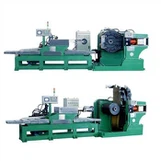
Maintaining a curing press machine is crucial for ensuring its optimal performance, longevity, and the quality of the products it produces. As a supplier of curing press machines, I understand the significance of proper maintenance in the industrial process. In this blog, I will share some essential tips on how to maintain a curing press machine effectively.
Regular Cleaning
One of the most fundamental aspects of maintaining a curing press machine is regular cleaning. Over time, dirt, debris, and residues from the curing process can accumulate on the machine's surfaces, which can affect its performance and potentially damage its components.
Start by cleaning the exterior of the machine using a soft cloth and a mild cleaning solution. Pay special attention to areas where dirt and grime are likely to build up, such as around the control panels, buttons, and handles. For the interior of the machine, use a vacuum cleaner or compressed air to remove any loose particles. Be careful not to damage any sensitive components during the cleaning process.
It's also important to clean the heating platens regularly. These are the parts of the machine that come into direct contact with the materials being cured, and any build-up of residue can lead to uneven heating and poor product quality. Use a non-abrasive cleaner and a soft brush to clean the platens, and make sure to dry them thoroughly before using the machine again.
Lubrication
Proper lubrication is essential for the smooth operation of a curing press machine. The moving parts of the machine, such as the hydraulic cylinders, bearings, and gears, need to be lubricated regularly to reduce friction and prevent wear and tear.
Check the machine's lubrication points according to the manufacturer's recommendations. Use the appropriate lubricant for each part, as specified in the machine's manual. Over-lubrication can be just as harmful as under-lubrication, so make sure to apply the right amount of lubricant.
In addition to regular lubrication, it's important to monitor the lubricant levels and quality. If the lubricant becomes dirty or contaminated, it should be replaced immediately. This can help prevent damage to the machine's components and ensure its long-term reliability.
Inspection of Electrical Components
The electrical components of a curing press machine are critical for its operation, and any issues with these components can lead to malfunctions or even safety hazards. Regular inspection of the electrical system is therefore essential.
Check the wiring for any signs of damage, such as fraying, cracking, or loose connections. Make sure all the electrical connections are secure and that there are no exposed wires. Inspect the control panels and switches to ensure they are functioning properly. If you notice any problems with the electrical components, it's important to have them repaired or replaced by a qualified electrician.
It's also a good idea to test the machine's safety features, such as the emergency stop button and the overheat protection system, on a regular basis. This can help ensure the safety of the operators and prevent accidents.
Calibration
Calibration is an important part of maintaining a curing press machine, especially for ensuring the accuracy of the temperature and pressure settings. Over time, the sensors and controls of the machine may drift out of calibration, which can lead to inconsistent curing results.
Follow the manufacturer's instructions for calibrating the temperature and pressure sensors of the machine. This may involve using a calibrated thermometer or pressure gauge to compare the readings of the machine's sensors with the actual values. If the readings are off, adjust the sensors accordingly.
Regular calibration can help ensure that the machine is operating at the correct temperature and pressure, which is essential for producing high-quality products.
Monitoring of Hydraulic System
If your curing press machine is equipped with a hydraulic system, it's important to monitor its performance regularly. The hydraulic system is responsible for providing the force needed to press the materials being cured, and any issues with this system can affect the machine's operation.
Check the hydraulic fluid level regularly and top it up if necessary. Look for any signs of leaks, such as oil stains or puddles around the machine. If you notice a leak, it's important to have it repaired immediately to prevent further damage to the system.
Inspect the hydraulic hoses and fittings for any signs of wear or damage. Replace any hoses or fittings that are cracked, worn, or leaking. It's also a good idea to change the hydraulic fluid and filter at regular intervals, as recommended by the manufacturer.
Maintenance of Molds and Dies
The molds and dies used in a curing press machine are essential for shaping the products being cured, and proper maintenance of these components is crucial for ensuring the quality of the products.


Clean the molds and dies after each use to remove any residue or debris. Use a non-abrasive cleaner and a soft brush to clean the surfaces of the molds and dies, and make sure to dry them thoroughly before storing them.
Inspect the molds and dies for any signs of damage, such as cracks, chips, or wear. If you notice any damage, have the molds and dies repaired or replaced as soon as possible. This can help prevent defects in the products being cured and ensure the long-term performance of the machine.
Training of Operators
Proper training of the operators is essential for the effective maintenance of a curing press machine. Operators should be trained on how to use the machine correctly, how to perform basic maintenance tasks, and how to recognize and report any issues with the machine.
Provide comprehensive training to the operators on the operation and maintenance of the curing press machine. This should include training on safety procedures, cleaning and lubrication, calibration, and troubleshooting. Encourage the operators to follow the manufacturer's instructions and to report any problems with the machine immediately.
Use of Compatible Materials
Using compatible materials with the curing press machine is important for ensuring its performance and longevity. Different materials may have different curing requirements, and using the wrong materials can lead to poor product quality and damage to the machine.
Make sure to use materials that are recommended by the manufacturer for use with the curing press machine. Follow the recommended curing parameters, such as temperature, pressure, and time, for each material. This can help ensure that the products are cured properly and that the machine is not overloaded or damaged.
Record-Keeping
Keeping detailed records of the maintenance activities performed on the curing press machine is important for tracking its performance and identifying any potential issues. Record the dates of cleaning, lubrication, calibration, and any repairs or replacements that have been made to the machine.
This information can be used to schedule future maintenance tasks, to identify trends in the machine's performance, and to provide documentation for warranty claims or regulatory compliance.
Conclusion
Maintaining a curing press machine is a complex but essential task that requires regular attention and care. By following the tips outlined in this blog, you can ensure the optimal performance, longevity, and safety of your curing press machine.
If you are in the market for a curing press machine or need more information on its maintenance, please feel free to [initiate a conversation with us to explore your specific needs]. Our team of experts is ready to assist you in finding the right solution for your business. We also offer a range of related machines such as the Stabilizing Cooling Machine, Fabric Dipping Machine, and V-belt Vulcanizer to meet your production requirements.
References
- Manufacturer's manual of the curing press machine
- Industry standards and best practices for machine maintenance