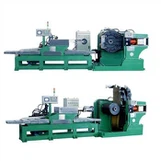
Hey there! As a supplier of Curing Press Machines, I've seen my fair share of electrical component issues. Today, I'm gonna walk you through how to check the electrical components of a Curing Press Machine. This'll help you keep your machine running smoothly and avoid costly breakdowns.
First off, let's talk about why checking electrical components is so important. The electrical system in a Curing Press Machine is like the heart of the operation. It controls everything from the heating elements to the hydraulic pumps. If something goes wrong with the electrical components, it can lead to uneven curing, machine malfunctions, or even safety hazards. So, regular checks are a must.
Visual Inspection
The first step in checking the electrical components is a good old - fashioned visual inspection. Start by powering off the machine and unplugging it from the electrical source. This is super important for your safety.
Once the machine is safely powered down, take a look at all the visible electrical parts. Check the wiring for any signs of fraying, cracking, or burning. Frayed wires can expose live conductors, which is a major safety risk. Also, look for loose connections. Loose wires can cause intermittent power issues or even short - circuits.
Inspect the electrical panels. Make sure there are no signs of moisture, which can corrode the components and cause electrical failures. If you see any water stains or condensation, you need to find the source of the moisture and fix it right away.
Testing the Power Supply
After the visual inspection, it's time to test the power supply. You'll need a multimeter for this. Set the multimeter to measure voltage.
Connect the multimeter probes to the power input terminals of the Curing Press Machine. You should get a reading that matches the rated voltage of the machine. If the reading is significantly lower or higher, there could be a problem with the power source or the electrical supply in your facility.
Check for any voltage fluctuations. Voltage fluctuations can damage the electrical components over time. If you notice any fluctuations, you might need to install a voltage stabilizer to protect your machine.
Checking the Heating Elements
The heating elements are crucial for the curing process. Without proper heating, the belts produced by machines like the [Expandable Drum](/wrapped - type - v - belt - machine/agricultural - v - belt - machine/expandable - drum.html) won't cure correctly.
To check the heating elements, use the multimeter to measure the resistance. Each heating element should have a specific resistance value according to its specifications. If the measured resistance is way off the specified value, the heating element might be faulty and need to be replaced.


Also, check for any signs of overheating on the heating elements. Overheating can be caused by a variety of factors, such as a malfunctioning thermostat or a blocked ventilation system.
Inspecting the Control Panel
The control panel is where you operate and monitor the Curing Press Machine. It contains various switches, buttons, and displays.
Check all the switches and buttons for proper operation. Press each one and make sure it functions as it should. If a switch is stuck or doesn't respond, it might need to be replaced.
Inspect the displays. Make sure they are showing accurate readings. If the display is blank or shows incorrect information, there could be an issue with the display unit or the associated sensors.
Testing the Sensors
Sensors play a vital role in the operation of a Curing Press Machine. They monitor things like temperature, pressure, and position.
Use a sensor tester or a multimeter to check the functionality of the sensors. For temperature sensors, you can compare the reading on the sensor with a known - accurate thermometer. If the readings don't match, the sensor might be faulty.
Pressure sensors can be checked by comparing their readings with a calibrated pressure gauge. Position sensors can be tested by moving the relevant parts of the machine and ensuring that the sensor accurately detects the position.
Checking the Relays and Contactors
Relays and contactors are used to control the flow of electricity in the machine. They can wear out over time.
Listen for any clicking sounds when the machine is operating. A clicking sound indicates that the relay or contactor is working. However, if you hear a continuous clicking or no clicking at all, there could be a problem.
Use a multimeter to check the continuity of the relay and contactor contacts. If there is no continuity when the relay or contactor is supposed to be closed, it might need to be replaced.
Verifying the Grounding
Proper grounding is essential for the safety of the machine and the operators. A good grounding system helps prevent electrical shocks and protects the machine from electrical surges.
Use a grounding tester to check the grounding of the Curing Press Machine. The grounding resistance should be within the acceptable range. If the grounding resistance is too high, it could be due to a loose or corroded grounding connection.
Maintaining a Log
It's a good idea to keep a log of all the electrical component checks. This log will help you track the performance of the machine over time and identify any recurring issues.
In the log, record the date of the check, the components that were inspected, the test results, and any actions taken. This information can be very useful when it comes to troubleshooting and maintenance.
Conclusion
Checking the electrical components of a Curing Press Machine is a crucial part of machine maintenance. By following these steps, you can ensure that your machine is in good working condition and avoid unexpected breakdowns.
If you're in the market for a new Curing Press Machine or need parts for your existing one, we've got you covered. We also offer other great machines like the [Rotocure Machine](/wrapped - type - v - belt - machine/agricultural - v - belt - machine/rotocure - machine.html) and the [Stabilizing Cooling Machine](/wrapped - type - v - belt - machine/agricultural - v - belt - machine/stabilizing - cooling - machine.html).
If you have any questions or want to discuss your specific needs, don't hesitate to reach out. We're here to help you make the best choice for your business.
References
- Electrical Maintenance Handbook for Industrial Machines
- Curing Press Machine User Manuals