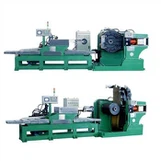
In the dynamic landscape of modern manufacturing, the integration of specialized machinery into production lines is a strategic decision that can significantly enhance efficiency, quality, and overall productivity. As a leading supplier of flipping machines, I am often asked whether a flipping machine can be effectively integrated into a production line. In this blog post, I will explore the feasibility, benefits, and considerations of integrating a flipping machine into a production line, drawing on my expertise and experience in the industry.
Feasibility of Integration
The feasibility of integrating a flipping machine into a production line largely depends on the nature of the production process, the type of products being manufactured, and the existing layout and infrastructure of the production line. In general, flipping machines can be integrated into a wide range of production lines, including those in the automotive, electronics, food and beverage, and packaging industries.
One of the key factors to consider when evaluating the feasibility of integration is the compatibility of the flipping machine with the existing production line equipment. The flipping machine should be able to interface seamlessly with other machinery, such as conveyors, robots, and sensors, to ensure smooth and efficient operation. Additionally, the flipping machine should be able to handle the size, weight, and shape of the products being processed, as well as the production volume and speed requirements of the production line.
Another important consideration is the available space and layout of the production line. The flipping machine should be able to fit into the existing production line layout without causing significant disruptions or requiring major modifications. In some cases, it may be necessary to reconfigure the production line or make adjustments to the floor plan to accommodate the flipping machine.
Benefits of Integration
Integrating a flipping machine into a production line can offer a number of benefits, including improved efficiency, enhanced quality, and increased productivity. Here are some of the key benefits of integrating a flipping machine into a production line:


- Improved Efficiency: A flipping machine can automate the process of flipping products, which can significantly reduce the time and labor required for manual flipping. This can lead to faster production cycles, increased throughput, and lower production costs.
- Enhanced Quality: By ensuring consistent and accurate flipping of products, a flipping machine can help to improve the quality of the finished products. This can reduce the number of defective products, improve customer satisfaction, and enhance the reputation of the manufacturer.
- Increased Productivity: The integration of a flipping machine can enable manufacturers to increase their production capacity and meet the growing demand for their products. This can lead to increased sales, revenue, and profitability.
- Flexibility and Versatility: Flipping machines can be customized to meet the specific needs and requirements of different production lines and products. This allows manufacturers to use the same flipping machine for multiple products or production processes, which can increase the flexibility and versatility of the production line.
Considerations for Integration
While the integration of a flipping machine into a production line can offer significant benefits, there are also some important considerations that manufacturers need to keep in mind. Here are some of the key considerations for integrating a flipping machine into a production line:
- Cost: The cost of purchasing and installing a flipping machine can be significant, especially for small and medium-sized manufacturers. Manufacturers need to carefully evaluate the cost-benefit ratio of integrating a flipping machine into their production line and ensure that the investment will provide a positive return on investment.
- Training and Maintenance: The operation and maintenance of a flipping machine require specialized skills and knowledge. Manufacturers need to provide adequate training to their employees to ensure that they can operate the flipping machine safely and effectively. Additionally, manufacturers need to establish a regular maintenance schedule to ensure that the flipping machine is in good working condition and to prevent breakdowns and downtime.
- Safety: Flipping machines can pose a safety hazard if not operated properly. Manufacturers need to ensure that the flipping machine is equipped with appropriate safety features, such as guards, sensors, and emergency stop buttons, to prevent accidents and injuries. Additionally, manufacturers need to provide their employees with appropriate safety training and personal protective equipment to ensure their safety while operating the flipping machine.
- Compatibility with Existing Equipment: As mentioned earlier, the flipping machine needs to be compatible with the existing production line equipment to ensure smooth and efficient operation. Manufacturers need to carefully evaluate the compatibility of the flipping machine with their existing equipment and make any necessary modifications or adjustments to ensure compatibility.
Case Studies
To illustrate the feasibility and benefits of integrating a flipping machine into a production line, here are some real-world case studies:
- Automotive Industry: A leading automotive manufacturer was experiencing challenges with the manual flipping of engine components during the assembly process. The manual flipping process was time-consuming, labor-intensive, and prone to errors, which was affecting the quality and productivity of the production line. To address these challenges, the manufacturer decided to integrate a flipping machine into the production line. The flipping machine was able to automate the process of flipping the engine components, which significantly reduced the time and labor required for manual flipping. This led to faster production cycles, increased throughput, and improved quality of the finished products.
- Food and Beverage Industry: A food and beverage manufacturer was looking for a way to improve the efficiency and quality of its packaging process. The manufacturer was using a manual flipping process to flip the food and beverage containers before packaging, which was slow, labor-intensive, and inconsistent. To address these challenges, the manufacturer decided to integrate a flipping machine into the production line. The flipping machine was able to automate the process of flipping the containers, which significantly reduced the time and labor required for manual flipping. This led to faster production cycles, increased throughput, and improved quality of the packaged products.
Conclusion
In conclusion, the integration of a flipping machine into a production line can be a viable and beneficial solution for manufacturers looking to improve efficiency, enhance quality, and increase productivity. However, before integrating a flipping machine into a production line, manufacturers need to carefully evaluate the feasibility, benefits, and considerations of integration to ensure that the investment will provide a positive return on investment. By working with a reputable and experienced supplier of flipping machines, manufacturers can ensure that they select the right flipping machine for their production line and receive the support and assistance they need to integrate the flipping machine successfully.
If you are interested in learning more about how a flipping machine can be integrated into your production line, or if you have any questions or concerns about our flipping machines, please do not hesitate to contact us. We would be happy to discuss your specific needs and requirements and provide you with a customized solution that meets your budget and production goals.