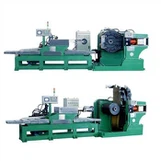
Hey there! As a supplier of measuring machines, I've seen firsthand how measurement errors can throw a wrench in your operations. Whether you're in manufacturing, quality control, or any field that relies on accurate measurements, reducing these errors is crucial. In this blog post, I'll share some practical tips on how to minimize measurement errors in your measuring machines.
Understanding Measurement Errors
Before we dive into the solutions, let's quickly talk about what causes measurement errors. There are two main types: systematic errors and random errors.
Systematic errors are consistent and repeatable. They occur due to flaws in the measuring instrument, incorrect calibration, or environmental factors. For example, if your measuring machine is not properly calibrated, it will always give readings that are either too high or too low.
Random errors, on the other hand, are unpredictable and vary from one measurement to the next. They can be caused by factors like electrical noise, vibrations, or human error. For instance, if you're taking a measurement and your hand shakes slightly, it can introduce a random error into the reading.
Tips to Reduce Measurement Errors
1. Regular Calibration
Calibration is the process of adjusting a measuring instrument to ensure that it provides accurate readings. It's like tuning a musical instrument to make sure it plays the right notes. Regular calibration is essential for reducing systematic errors.
Most measuring machines come with a recommended calibration schedule. Make sure you follow it religiously. If you're not sure how to calibrate your machine, consult the manufacturer's manual or hire a professional calibration service.
For example, our Length Measure Machine is designed to provide highly accurate measurements, but it still needs to be calibrated regularly to maintain its precision.
2. Proper Maintenance
Just like a car needs regular oil changes and tune-ups, your measuring machine needs proper maintenance to perform at its best. Keep the machine clean and free from dust, dirt, and debris. Check for any signs of wear and tear, such as loose parts or damaged sensors, and replace them as needed.


Make sure to lubricate moving parts according to the manufacturer's recommendations. This will reduce friction and prevent premature wear. Also, store the machine in a clean, dry environment to protect it from moisture and corrosion.
Our Automatic Wrapping Machine is built to last, but with proper maintenance, you can extend its lifespan and ensure consistent performance.
3. Operator Training
Even the most advanced measuring machine is only as good as the person operating it. Make sure your operators are properly trained on how to use the machine correctly. They should understand the measurement principles, how to take accurate readings, and how to troubleshoot common problems.
Provide regular training sessions to keep your operators up-to-date with the latest techniques and best practices. Encourage them to ask questions and share their experiences. A well-trained operator can significantly reduce measurement errors caused by human factors.
4. Environmental Control
Environmental factors can have a significant impact on the accuracy of your measurements. Temperature, humidity, and vibration can all cause the measuring machine to give inaccurate readings.
Try to control the environment in which the measurements are taken. Keep the temperature and humidity within the recommended range for the machine. If possible, isolate the machine from sources of vibration, such as heavy machinery or traffic.
For example, our Fabric Dipping Machine is sensitive to temperature and humidity changes, so it's important to maintain a stable environment when using it.
5. Use Quality Accessories
The accessories you use with your measuring machine can also affect its accuracy. Make sure you use high-quality accessories that are compatible with your machine. For example, if you're using a probe or a sensor, make sure it's properly calibrated and in good condition.
Using cheap or low-quality accessories can introduce additional errors into your measurements. Invest in good-quality accessories to ensure the accuracy and reliability of your measurements.
6. Take Multiple Measurements
Taking multiple measurements and averaging them can help reduce random errors. When you take a single measurement, there's always a chance of getting a reading that's affected by random factors. By taking multiple measurements and calculating the average, you can get a more accurate result.
Make sure to take the measurements under the same conditions and using the same technique each time. This will ensure that the measurements are consistent and comparable.
Conclusion
Reducing measurement errors is essential for ensuring the accuracy and reliability of your measurements. By following the tips outlined in this blog post, you can minimize both systematic and random errors in your measuring machines.
Regular calibration, proper maintenance, operator training, environmental control, using quality accessories, and taking multiple measurements are all important steps in reducing measurement errors.
If you're in the market for a new measuring machine or need help with reducing measurement errors in your existing machines, don't hesitate to contact us. We're here to help you find the right solution for your needs.
References
- "Measurement and Instrumentation Principles" by Alan S. Morris
- Manufacturer's manuals for our measuring machines